Why Corrugated Packaging Is Dominating Shipping in 2026
Steve Trow
Head of Marketing
Share this post on your social media channels using the buttons below
In 2026, corrugated packaging has become an obvious choice for businesses looking to protect products in transit, reduce costs and boost sustainability credentials. As global e-commerce volumes continue to rise and customer expectations for package quality grow, shipping corrugated boxes have emerged as a reliable and versatile solution for brands of all sizes. From small mail-order businesses to major industrial suppliers, the appeal of corrugated cardboard box packaging is constantly in demand.
In this article we explore why corrugated packaging solutions are dominating shipping in 2026, the benefits they offer, common questions buyers are asking, and a real-world case study that highlights their practical value in action.
Why Corrugated Packaging Is More Popular Than Ever
The dominance of corrugated packaging in 2026 is hardly surprising when you consider its combination of durability, affordability, sustainability and adaptability.
Major trends driving its adoption include:
The continued growth of e-commerce, which demands reliable yet lightweight shipping solutions
Increasing customer and regulatory focus on sustainable packaging
Improvements in corrugated manufacturing that allow greater strength and design flexibility
As more businesses look to optimise their supply chains and reduce environmental impact, corrugated solutions offer a compelling balance of performance and sustainability.
What Makes Corrugated Packaging Ideal for Shipping?
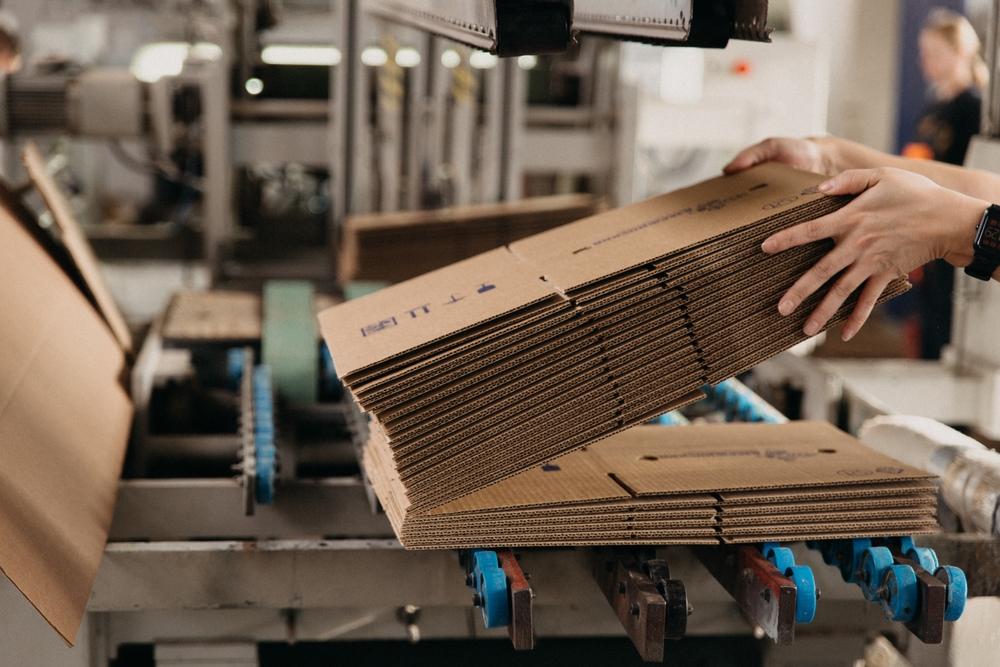
Corrugated packaging is made up of a fluted central layer sandwiched between two liners. This structure gives it exceptional strength relative to its weight, meaning it can absorb shocks, protect against compression and withstand rough handling without adding unnecessary shipping costs.
This balance of strength and lightness is one of the main reasons shipping corrugated boxes are so widely used today. If you choose to send fragile goods or heavy components, corrugated cartons deliver dependable protection whilst keeping freight chargers under control.
Benefits of Choosing Corrugated Packaging
Protection and Durability
One of the biggest advantages of corrugated packaging is its ability to protect goods from damage during transit. The fluted core acts like a cushion, absorbing impacts and reducing the risk of product loss for manufacturers and retailers.
Cost-Effectiveness
Corrugated cardboard box packaging is economical to produce and easy to source, which keeps unit costs lower compared to many alternative materials. Its lightweight nature also helps reduce shipping charges, particularly for carriers that charge by weight.
Sustainability and Recycling
As customers grow more eco-conscious when deciding what to purchase, corrugated packaging’s recyclability is a major benefit. It is made predominantly from recycled and recyclable paper fibres, corrugated boxes can be collected, repulped and reused multiple times. Many suppliers use increasingly high proportions of recycled content, which in turn, contributes to a lower carbon footprint.
Sustainability is no longer an option; it is becoming a requirement for businesses looking to demonstrate environmental responsibility to customers and investors.
Versatility Across Industries
From e-commerce startups to industrial manufacturers, corrugated packaging solutions adapt easily to different sectors. They can be tailored in size, strength, print and configuration to match specific product needs, making them a flexible choice for diverse shipping requirements.
The Cost of Damage vs The Cost of Quality Packaging
One of the most overlooked factors in shipping strategy is the hidden cost of damaged goods.
Returns, replacements, lost customer trust and reputational harm can quickly outweigh the marginal cost difference between low grade packaging and well specified corrugated cardboard box packaging.
Investing in properly engineered shipping corrugated boxes reduces transit damage, protects brand reputation and supports smoother supply chain operations. In many cases, the return on investment is immediate through reduced product loss and fewer customer complaints.
Case Study: How Corrugated Cartons Transformed an IT Asset Remarketing Operation
The Challenge
An established IT asset remarketing business approached Lesters Packaging needing more than standard boxes. Their existing packaging relied heavily on plastic fittings and multiple components, creating unnecessary complexity, storage pressure and environmental impact.
They needed a simpler, more sustainable solution without compromising protection.
The Approach
We reviewed how products were handled, stored and shipped before designing anything. Using 3D CAD and prototype testing, we engineered a bespoke, one-piece corrugated carton tailored to their operation.
The new design removed the need for plastic inserts and reduced the number of components staff had to manage.
The Outcome
The result was a streamlined corrugated solution that:
Corrugated packaging is not a trend it’s a long-term shift in how products are protected and shipped. For companies seeking a reliable packaging solution that minimises damage, optimises costs and supports sustainability goals, corrugated cardboard box packaging stands out as an intelligent choice.
If you’re evaluating packaging options for your business, speak to the specialists at Lesters Packaging to discover how corrugated solutions can be tailored to your products and logistics needs.
What is the strongest type of corrugated packaging?
Double wall and reinforced BC flute corrugated boards provide higher stacking strength and are suitable for heavier shipping requirements.
Are shipping corrugated boxes suitable for export?
Yes, when designed with the correct board grade and reinforcement, corrugated packaging can perform effectively in international shipping environments.
Is corrugated packaging waterproof?
Standard corrugated board is not fully waterproof, but moisture resistant coatings and liners can be added for improved performance.
How long can corrugated boxes be stored?
When kept in dry conditions, corrugated cardboard box packaging can retain its strength for extended periods, making it suitable for warehouse storage.
What is the difference between corrugated boxes and regular cardboard?
Corrugated cardboard has a fluted layer between liners, giving it increased strength and shock resistance compared to flat cardboard, which is thin and best suited for light packaging needs.
Can corrugated packaging be customised?
Absolutely. Corrugated packaging solutions can be printed with branding, logos and product information. They can also be configured into bespoke sizes and designs for a perfect fit.