
Ever counted how many different boxes your team keeps ‘just in case’? One size for the usual order, another for an awkward product, and several more that haven’t been used in months. Before long, the packaging itself needs a surprising amount of warehouse space.
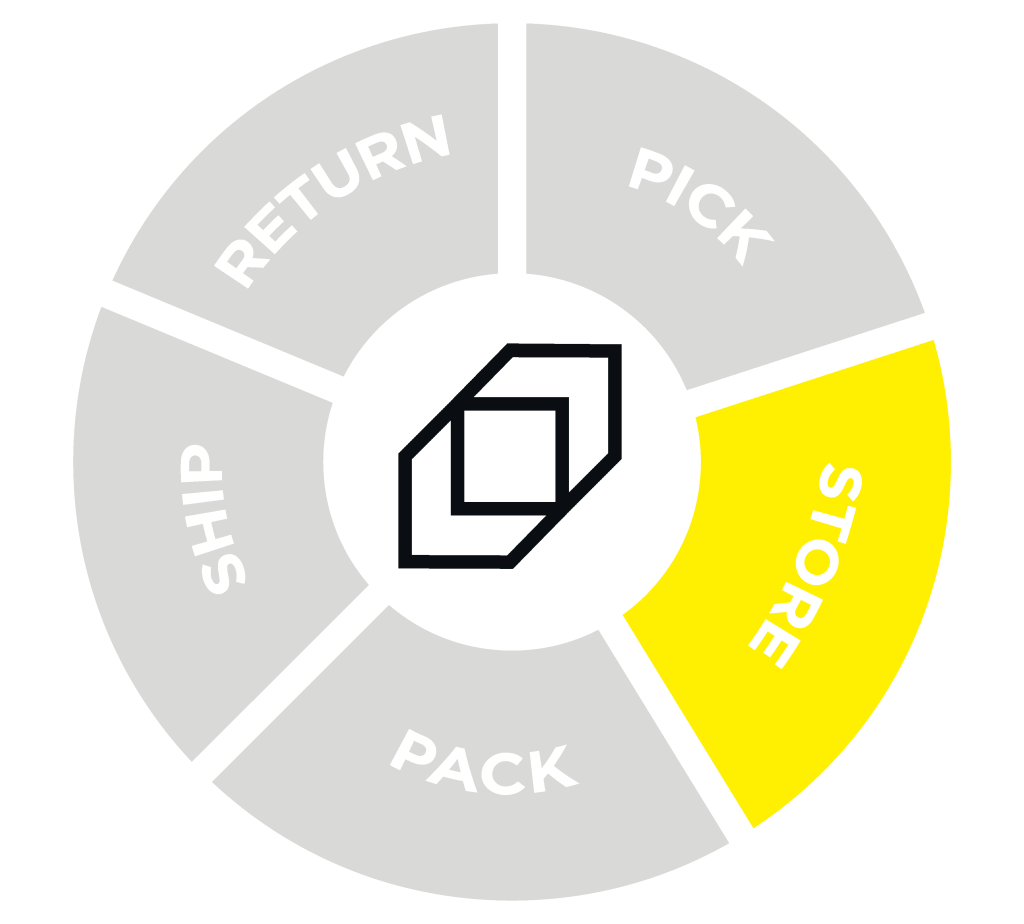
At Lesters, Store is one of our five pillars of supply chain efficiency, alongside Pick, Pack, Ship and Returns. It focuses on making better use of storage space and keeping stock easier to manage. That includes the products you sell and the packaging you hold ready to use.
What does oversized packaging really cost?
An oversized box can look harmless on its own. Across a full packaging inventory, though, it can affect more than the price of the cardboard:
- Storage space: Larger flat-packed boxes take up more room before they’re used. Once filled, they may also occupy more space on shelves or pallets.
- Extra materials: A poor fit often calls for more void fill to stop the product moving around.
- Handling time: Teams may spend longer choosing a suitable box, adding protection or moving bulky packaging around the warehouse.
- Stock complexity: Keeping several similar sizes means more lines to order, count, locate and replenish.
The answer isn’t to put every product in the smallest available box. Protection still matters, and some products need room for an insert or a stronger construction. The useful question is whether each format has a clear job.
Our guide to measuring a box correctly explains why internal dimensions matter for product fit while external dimensions affect storage and handling.
Where standardisation helps
Standardisation means choosing a manageable range of packaging formats that suits the products you actually handle. It doesn’t mean forcing every item into one box.
Say a warehouse holds six carton sizes, but three are used for almost identical products. Reviewing those lines might reveal that one well-designed format can serve the same purpose, with suitable protection where needed. Your team has fewer options to search through, and your packaging stock becomes easier to count and store.
It can also make packaging inventory management more predictable. When the formats and their uses are clear, you can see which lines move quickly, which are being over-ordered and when each one needs replenishing. The number of formats you need will depend on your product range, order profile and packing process.
If you’re unsure whether an existing box is earning its place, our blog Are You Using More Packaging Than You Actually Need? is a useful place to start.
Design for the shelf as well as the product
Better stock storage solutions start with the dimensions of what’s being stored. But they also need to account for pallet footprints, shelf depths, stacking strength and how staff access stock.
That’s why we look at the wider operation when developing bespoke packaging. A consistent carton size can be easier to position and count, while the right board specification helps protect its contents when stored or moved. For bulk goods, our pallet boxes are supplied flat, so they take up less room before assembly.
The best format is the one that fits the product and works in the space available. Sometimes that means standardising several similar lines. Sometimes it means keeping a separate solution for a product with very different protection needs.
Do you need to store every box on site?
Even a tidy packaging range can occupy a lot of room if you receive the entire order at once. Packaging storage solutions can include changing when stock arrives, as well as changing its size.
Through our warehousing and storage service, we can hold packaging and let you call off pre-agreed volumes as you need them. We can also help manage stock levels and agree trigger points for remanufacture. That gives you a way to keep packaging available without filling your own warehouse with months of supply.
How can you tell which packaging formats to keep?
Start with the boxes you already hold in stock. You don’t need to review every format at once; choose a busy product range and ask your warehouse team:
- Which box sizes do we use most often?
- Are any sizes so similar that staff regularly mix them up?
- Which formats sit in storage for weeks or months?
- Do packers frequently add void fill because a box is too large?
- Are there products that genuinely need their own size or construction?
This gives you a clearer picture of where standardisation could help. A rarely used box might still be essential for a fragile product, while two frequently used sizes might be suitable for consolidation. We can review those findings with you and explore whether a smaller, more purposeful range would simplify storage without compromising protection.
Strengthen Your 'Store' Pillar with Lesters Packaging
To see where your Store pillar could improve, start with a simple review: which packaging formats are used most, which take up the most room, and which are hard to locate or regularly run short? Those answers help us decide whether better dimensions, fewer formats or a different supply arrangement would make the biggest difference.
We can help you design packaging around your products and storage setup, then plan how that packaging is held and supplied. Get in touch with our team to talk through your current range and find a more practical way to store it.