

Does your packing team spend more time getting an order ready than you’d expect? Perhaps there’s always another layer of wrapping to add, a box to adjust or a queue building up before the daily collection.
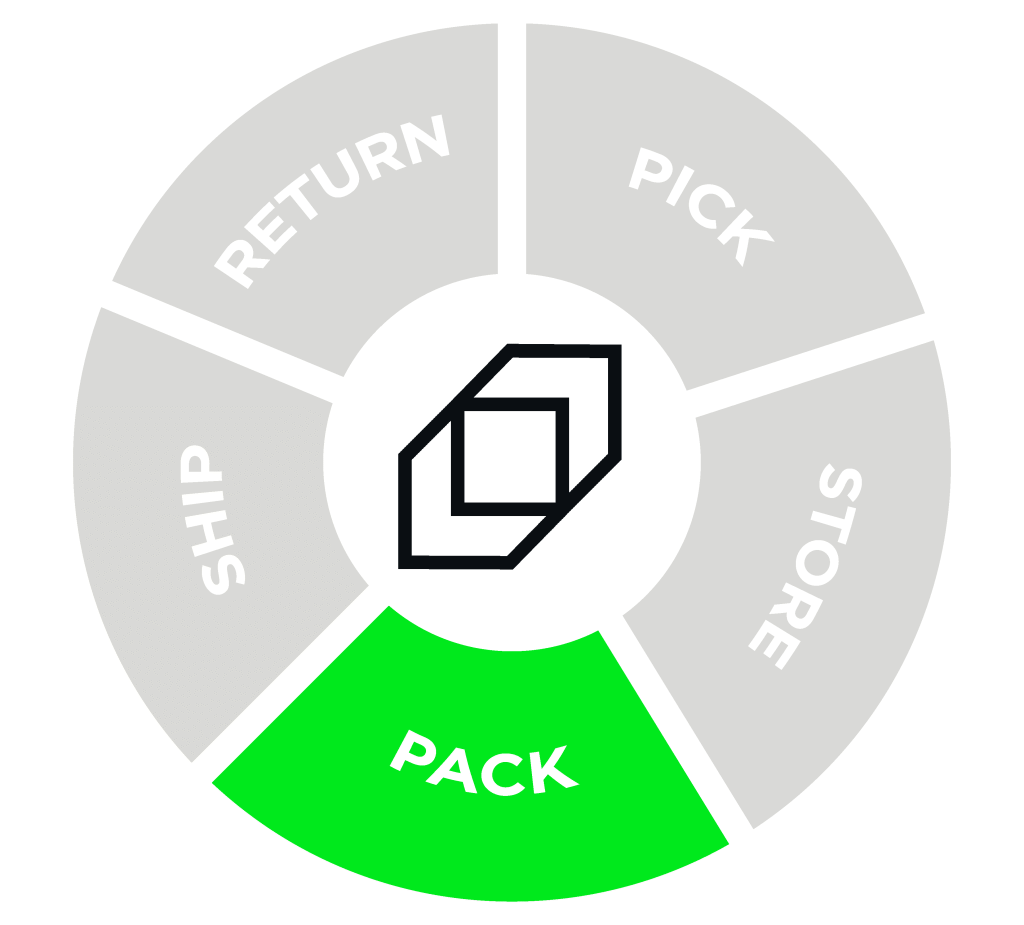
At Lesters Packaging, Pack is one of our five pillars of supply chain efficiency, alongside Pick, Store, Ship and Return. It focuses on preparing products for despatch with suitable protection, practical packaging and fewer avoidable steps.
So, how do you know when your packing process needs another look? These 5 signs are a useful starting point.
1. Your team spends too long assembling and filling each pack
Watch a few orders move through your packing area. How much time goes into protecting the product, and how much goes into getting the packaging ready?
Ask your packers which products take longest and why. Is the box difficult to assemble? Does the product move unless it is carefully wrapped? Are staff cutting materials to fit at the bench?
These answers help identify whether bespoke packaging or a different die-cut box design could simplify the task. Any proposed change should be trialled with the product and the people who pack it.
Improving packing efficiency starts with understanding where the time goes.
2. You’re adding more packaging than seems reasonable
If staff routinely fill large gaps around a product, it is worth checking whether the box dimensions still suit the order. Equally, repeated layers of wrapping may suggest that the packaging needs a more effective way to hold the item securely.
Look out for:
- Boxes with substantial unused space.
- Different amounts of void fill used for the same product.
- Extra tape added because closures are awkward or unreliable.
- Materials trimmed at the packing bench and immediately discarded.
Packaging waste reduction needs to go hand in hand with product protection. Removing material without checking its purpose can create problems further down the supply chain.
The aim is to understand what each component does and whether the same protection can be achieved more efficiently. Our blog on using up more packaging than needed, explores this question in more detail.
3. The same product gets packed differently depending on who handles it
Would two members of your team pack the same order in the same way?
Some variation is understandable, particularly when orders contain different combinations of products. But if one person uses an insert, another adds extra wrapping and a third chooses a larger box, the process may rely too heavily on individual judgement.
That makes packing time and material use harder to predict. It also makes training more difficult: a new starter needs a clear method to follow.
Start with your busiest product lines. Agree which packaging to use, how the product should sit inside it, what protection it needs and how the pack should be closed. Simple instructions with photographs can help make the method easier to follow.
If your team follows the instructions but still needs to add extra wrapping or swap boxes regularly, the packaging may not be right for the product. The right box and inserts should make it easier for everyone to pack the order consistently.
4. Packed orders keep coming back for attention
An order reaches the despatch area, then someone spots a loose product, a strained closure or a box that needs replacing. Back it goes to the packing bench.
Occasional corrections happen. Repeated rework is a sign that something needs investigating.
The same applies when customers report damaged goods. Review the affected product, packaging and delivery conditions together. Damage can have several causes, so it helps to look for patterns rather than immediately adding more material to every order.
Useful questions to ask include:
- Are the same products repeatedly affected?
- Can the item move inside the closed pack?
- Do heavier components put pressure on the box or its base?
- Does the packing method protect vulnerable edges and surfaces?
- Has the product changed since its packaging was designed?
Record the reasons for repacking as well as customer damage reports. Together, they can show where a revised fit, stronger construction or different protective component needs testing.
This is where the Pack pillar connects with Ship and Return, decisions made at the packing bench affect what happens after the order leaves it.
5. The packing area struggles whenever demand increases
A packing process can appear perfectly manageable during a quiet week. Then order volumes rise, and the delays become much easier to see.
Perhaps products arrive faster than they can be packed. Staff keep leaving their benches to find materials, or the most useful box sizes run out while rarely used formats occupy the available space.
Before assuming you need more packing benches or more people, check what is interrupting the work.
Are frequently used materials within easy reach? Is replenishment planned? Can staff quickly identify the right packaging? Does your current range reflect the products and order combinations you handle today?
Our Store pillar article on how packaging standardisation simplifies stock storage looks at keeping packaging formats manageable and purposeful. It is also useful to check how orders arrive at the bench. As our Pick pillar guide explains, appropriate pick bin sizing supports warehouse picking efficiency. A packing review should consider that handover, particularly if orders regularly arrive incomplete or need checking again.
Strengthen Your ‘Pack’ Pillar with Lesters Packaging
At Lesters Packaging, we can discuss your products, current packaging and packing requirements to explore where changes to the design could help. Looking at Pack alongside the other pillars also helps keep the wider supply chain in view.
Explore our bespoke packaging solutions or get in touch with Lesters Packaging to talk through the challenges at your packing bench.