
In automotive manufacturing, timing is everything. Production lines operates to extremely tight schedules, and parts must arrive exactly when they are needed. This is why just-in-time production has become the standard across the automotive sector. Instead of storing away large quantities of parts, manufacturers rely on carefully coordinated deliveries that align with the pace of the assembly line.
Packaging plays a far more important role in this process than many people realise. Automotive packaging is not simply about protecting components during transport. It must support the entire production workflow, from supplier dispatch to assembly line installation. When packaging is designed properly, it enables faster handling, reduces errors and ensures that the right components reach the right station at the right time.
For manufacturers and logistics providers, this is where kitting and sequence supply become essential. Together, these approaches help streamline operations and support the just-in-time systems that modern automotive production depends on.
What Is Automotive Packaging?
Automotive packaging refers to the packaging systems used to store, protect and transport vehicle components throughout the supply chain. These solutions must withstand heavy handling, repeated transportation and complex distribution networks.
Unlike standard packaging used in retail or e-commerce, automotive packaging is usually engineered to support operational efficiency as well as product protection. Components such as engines, wiring harnesses, electronic modules and body panels all require different levels of structural support, handling design and packing configuration.
The packaging must also integrate seamlessly into warehouse and assembly line operations. That means considering factors such as stacking strength, pallet optimisation, ease of access and compatibility with automated handling systems.
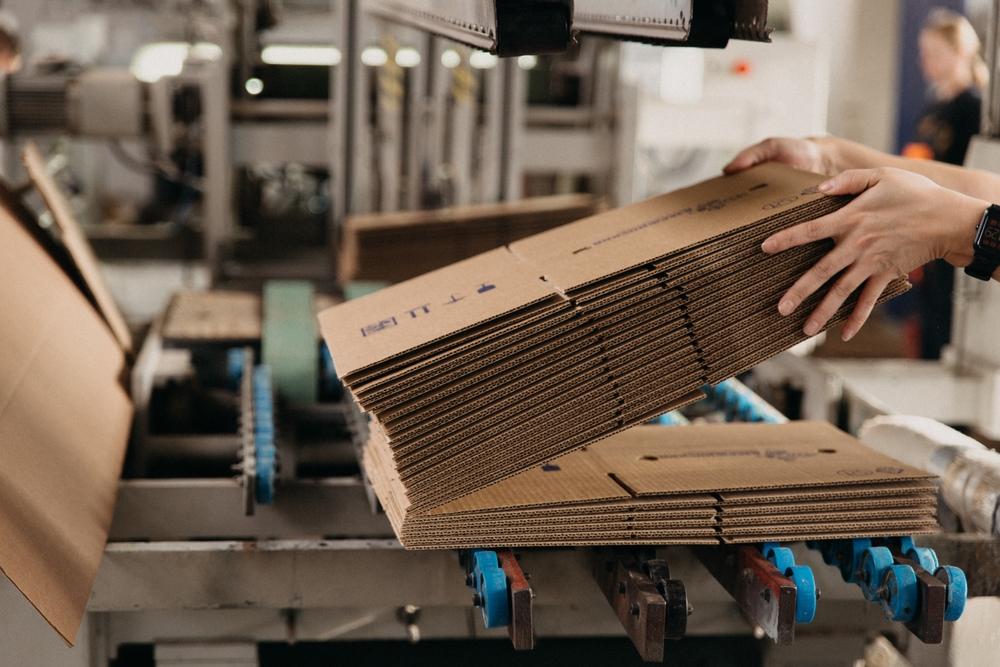
Corrugated packaging is often used in this environment because it offers strength, flexibility and sustainability. When engineered correctly, corrugated cartons can deliver the durability required for industrial supply chains while remaining lightweight and recyclable.
Why Just-in-Time Production Requires Specialised Packaging
Just-in-time manufacturing is designed to reduce inventory and improve production efficiency. Parts arrive at the factory shortly before they are needed on the assembly line, eliminating the need for large storage areas and reducing working capital tied up in stock.
However, this model only works when logistics systems operate with precision. Delays, packing errors or damaged components can disrupt the entire production schedule.
Packaging therefore becomes part of the operational system rather than just a transport container. Automotive packaging must allow parts to be quickly identified, easily accessed and efficiently moved between storage, staging areas and assembly stations.
If packaging is poorly designed, workers may spend valuable time sorting parts, opening multiple containers or locating missing items. This can slow production and increase the risk of assembly errors.
When packaging is optimised for just-in-time environments, it helps ensure that components arrive organised, protected and ready for immediate use.
The Automotive Kitting Process
Automotive kitting is the process of grouping together multiple components required for a specific stage of vehicle assembly. Instead of delivering each part individually, suppliers assemble a complete kit containing everything needed for that particular operation.
For example, a kit may include fasteners, brackets, electrical connectors and small hardware required for installing a specific component on the vehicle. These parts are packed together into a single container, so assembly workers do not need to search for individual pieces.
Kitting offers several advantages in automotive manufacturing. It simplifies logistics because fewer containers are required to deliver multiple items. It also improves accuracy, as the correct components are grouped together before they arrive at the production line.
From a packaging perspective, this requires careful design. Containers must hold different parts securely while keeping them clearly separated and easy to access. Corrugated inserts, dividers and protective structures are often used to ensure that items remain organised during transport.
When kitting is implemented effectively, it significantly reduces assembly time and helps prevent missing components from interrupting production.
What Is Sequence Supply in Automotive Manufacturing?
Sequence supply is another key concept in automotive logistics. Rather than delivering parts in bulk, suppliers send components in the exact order they will be installed on the production line.
This is particularly important for components that vary between vehicles, such as interior trim, seats or electronic modules. Each vehicle passing down the line may require a different configuration, so parts must arrive in the precise sequence required for assembly.
For example, if a production line is building vehicles in the order of red, black and silver models, the components associated with those vehicles must arrive in that same order.
Packaging plays an important role in maintaining this sequence. Containers must be designed so that parts remain in the correct order during transport and handling. Clear labelling, compartmentalised packaging and consistent packing processes all help maintain sequencing accuracy.
Without well-designed packaging, parts can easily become mixed or disorganised, which creates delays and increases the risk of assembly errors.
How Packaging Supports Automotive Kitting and Sequencing
Packaging is a central element in both kitting and sequence supply. It ensures that grouped components remain organised and that sequenced parts maintain their correct order throughout the supply chain.
In kitting operations, packaging must provide clear separation between components. This prevents damage and ensures that workers can quickly identify and retrieve the correct items. Corrugated inserts or custom compartments are often used to create organised internal layouts.
For sequence supply, packaging must maintain the arrangement of components from supplier dispatch through to final delivery at the production facility. Containers must be easy to handle, clearly labelled and compatible with warehouse systems.
Durability is also essential. Automotive components may be transported across long distances through multiple handling points before reaching the assembly line. Packaging must protect parts from vibration, compression and impact while maintaining structural integrity.
When these factors are considered together, packaging becomes an operational tool rather than just a protective layer.
Benefits of Corrugated Automotive Packaging
Corrugated packaging has gained popularity within automotive supply chains because it provides a balance of strength, flexibility and sustainability.
Corrugated structures can be engineered to support heavy loads while remaining lightweight. This reduces transport costs while maintaining the durability required for industrial logistics.
Corrugated solutions are also highly adaptable. Custom inserts, partitions and reinforced sections can be added to accommodate complex kits or sequenced components. This allows manufacturers to tailor packaging around specific production requirements.
Sustainability is another advantage. As automotive companies work to reduce environmental impact, corrugated packaging offers a recyclable alternative to many plastic packaging formats. It supports circular economy principles while still delivering the performance needed in demanding supply chains.
How Lesters Packaging Supports Automotive Supply Chains
At Lesters Packaging, automotive packaging is developed with operational efficiency in mind. Rather than supplying standard boxes, our team works with customers to understand how parts move through the supply chain and how packaging can improve that process.
Using design tools and prototyping capabilities, Lesters can develop bespoke corrugated packaging solutions tailored to kitting operations, sequencing systems and just-in-time logistics. This approach ensures that packaging supports both protection and productivity.
For automotive manufacturers, suppliers and logistics providers, this level of packaging design can make a measurable difference to production performance. Contact Lesters Packaging today to learn more about how we can support your automotive business.