
Packaging is no longer just about protecting products in transit. As we move into 2026, packaging is becoming smarter and far more closely tied to sustainability, efficiency and brand responsibility. Businesses are under increasing pressure to reduce waste, lower costs and demonstrate environmental progress, all while maintaining reliable supply chains and fast delivery times.
For manufacturers, retailers and ecommerce brands, keeping pace with packaging trends is now essential. Businesses that can adapt to this early, will benefit from improved operational efficiency, stronger compliance credentials and better customer experiences.
Below, we explore the key packaging trends set to define 2026 and how they are shaping the future of the industry.
Growth in right-size packaging technology
One of the most significant packaging trends heading into 2026 is the continued shift towards right-size packaging. Brands are actively moving away from oversized boxes filled with excess void fill, not only because of rising material costs, but also due to growing scrutiny around waste and transport inefficiencies.
Right-size packaging focuses on designing boxes that closely match the dimensions of the product. This reduces material usage, lowers shipping costs and helps minimise damage during transit. With fewer empty spaces inside the box, products are more secure, and less additional packaging material is required.
From a logistics perspective, right-size packaging also means more efficient palletisation and vehicle loading, allowing businesses to move more goods in fewer journeys. This aligns with broader cost-saving and sustainability goals, making it a trend that is likely to accelerate rather than slow in 2026.
Push towards mono-material corrugated systems
Another major trend is the growing increase of moving away from mixed-material packaging solutions. Many businesses are phasing out packaging that combines plastics, foams and composite materials, as these are harder to recycle and increasingly fall under a lot of regulatory pressure.
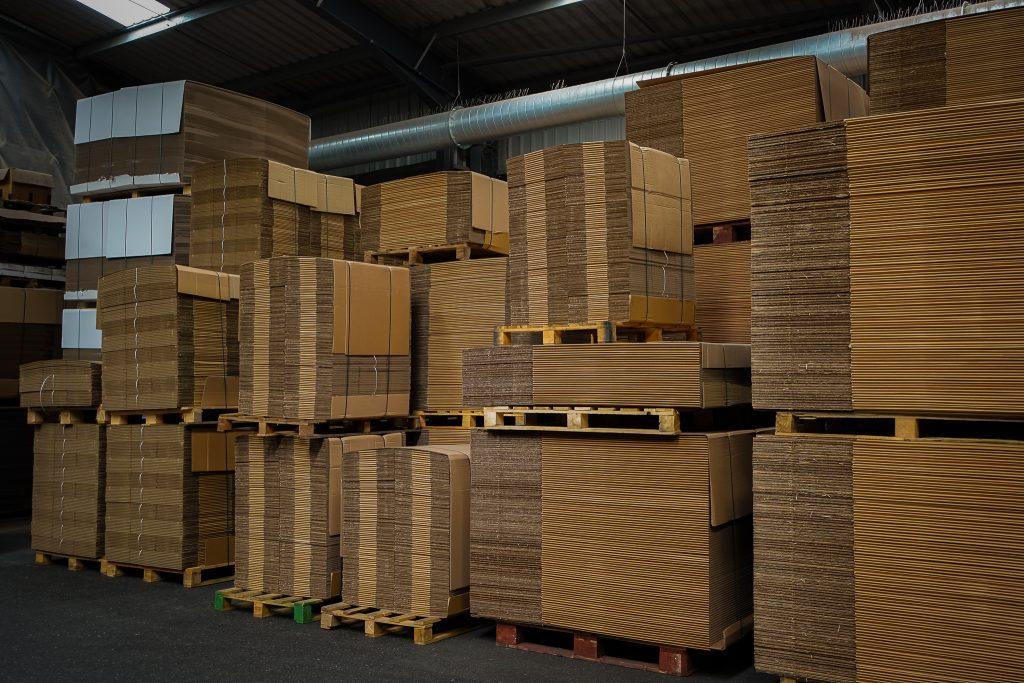
Corrugated packaging continues to gain ground as a practical and compliant alternative. As a single-material solution, corrugated cardboard is widely recyclable, easy to process within existing waste streams and familiar to both businesses and consumers.
In 2026, expect to see more brands simplifying their packaging formats by replacing mixed materials with corrugated-only designs. This not only improves recyclability but also helps businesses meet evolving environmental regulations and customer expectations around responsible packaging.
Smarter, data-enabled packaging
Packaging is becoming more intelligent. In 2026, smarter, data-enabled packaging will be far more common across supply chains. This includes the use of QR codes, scannable instructions, tracking labels and digital identifiers that provide real-time information throughout the product journey.
These technologies allow businesses to improve traceability, reduce errors handling and provide end users with additional information, such as assembly guidance, recycling instructions or authentication details. For ecommerce and distribution-heavy operations, smart packaging also plays a role in reducing returns and improving delivery accuracy.
Rather than being a novelty, data-enabled packaging is becoming a practical tool for operational efficiency. As supply chains grow more complex, the ability to capture and share packaging data will become an important differentiator in 2026.
Sustainability beyond recycling
While recyclability remains important, sustainability conversations are moving beyond whether packaging can be recycled. In 2026, businesses are being challenged to demonstrate genuine carbon reductions and measurable environmental improvements.
This shift is driving greater focus on lightweighting, smarter structural design and material optimisation. Using less material, while maintaining strength and performance, is becoming just as important as choosing recyclable materials in the first place.
Clients are also looking more closely at how packaging choices impact transport emissions, storage efficiency and overall lifecycle impact. As a result, packaging design is becoming more strategic, with sustainability considered at every stage, from initial concept through to distribution and disposal.
Faster turnarounds through advanced design and sampling
Speed to market is another area shaping packaging trends for 2026. Customers want quicker innovation cycles, whether they are launching new products, responding to seasonal demand or adapting to regulatory changes.
This has increased demand for advanced packaging design capabilities and rapid sampling. Businesses are looking for partners who can move quickly from concept to prototype, allowing designs to be tested, refined and approved without long delays.
Fast, efficient design and sampling processes help brands stay agile in competitive markets. In 2026, the ability to deliver high-quality packaging solutions at pace will be a clear competitive advantage.
Packaging as a brand and compliance asset
Packaging is increasingly being viewed as an extension of a brand’s values. In 2026, businesses are using packaging to communicate sustainability commitments, quality standards and compliance credentials more clearly than ever before.
Clear labelling, responsible material choices and thoughtful design all play a role in building trust with customers, retailers and regulatory bodies. Packaging that looks excessive or poorly considered can undermine a brand’s credibility, while well-designed corrugated packaging reinforces professionalism and corporate responsibility.
This trend is particularly relevant for B2B businesses, where procurement decisions are often influenced by compliance, consistency and long-term reliability rather than aesthetics alone.
Looking ahead with Lesters Packaging
As packaging trends continue to evolve in 2026, the focus is clear. Businesses want smarter, more efficient and more sustainable packaging solutions that support their wider operational goals. Corrugated packaging, right-size design, rapid prototyping and material optimisation are no longer optional, they are becoming standard expectations.
At Lesters Packaging, these trends align closely with the way packaging solutions are already approached. By focusing on smart design, efficient use of materials and corrugated packaging expertise, Lesters continues to support businesses looking to reduce waste, improve performance and futureproof their packaging strategies as industry expectations grow.