Stackable Pick Bins vs. Shelfing Systems: Which is Best?

Share this post on your social media channels using the buttons below

In today’s fast-paced warehouse and fulfilment environments, choosing the right storage system can make all the difference to your efficiency, accuracy, and costs. Two popular options are stackable pick bins and traditional storage (racking or shelving). This guide breaks down their key features, benefits, and considerations to help you decide which is best for your operation. 

What Are Stackable Pick Bins?

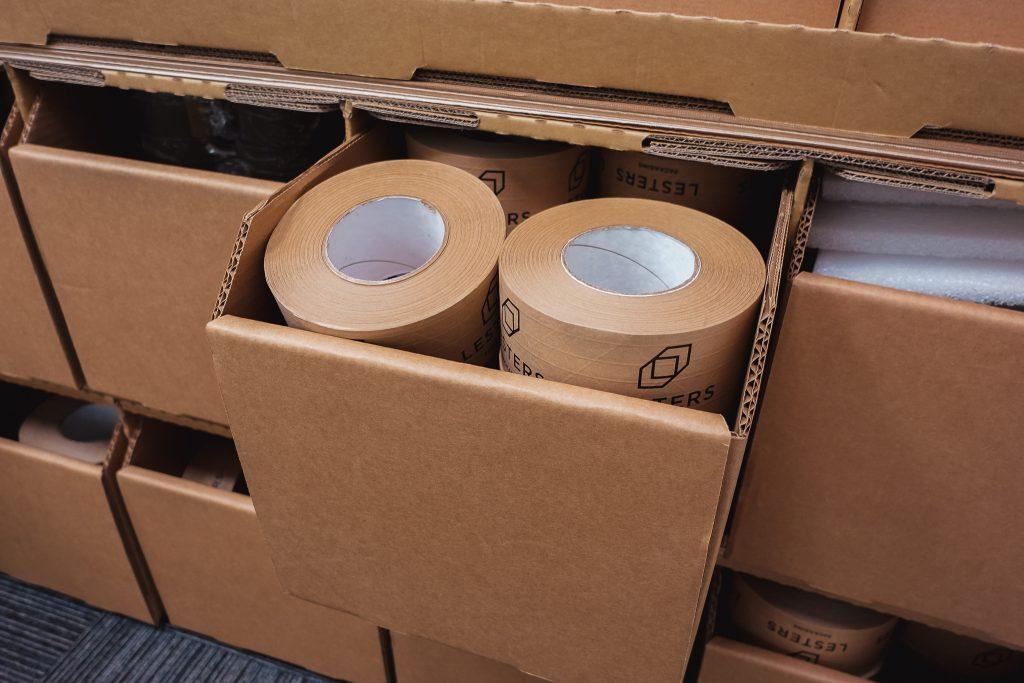
Stackable pick bins are lightweight corrugated or plastic containers designed to nest and interlock when in use, then fold or collapse flat for off‐season storage. They provide modular, reconfigurable picking locations without the need for bolted frames or permanent fixtures. 

  • Flexibility: Easily add or remove bins to scale capacity during peak periods. 
  • Space-saving: Fold flat when not in use, freeing up valuable aisle or floor space. 
  • Cost-effective: No capital-intensive racking installation; use on any flat surface. 
  • Ergonomic: Bins sit at waist height on trolleys or cages, reducing picker strain. 

What Is Traditional Storage?

Traditional storage refers to fixed shelving, pallet racking, mezzanine systems, or bolt-in shelving units. These are permanent structures secured to the floor and/or walls, offering robust load capacity and long-term durability. 

  • High load capacity: Supports heavy pallets or bulky items. 
  • Maximised vertical space: You can build upwards to the facility’s ceiling, increasing cubic utilisation. 
  • Durability: Steel construction withstands high traffic and forklift handling. 
  • Defined locations: Clear slotting and labelling for systematic picking. 

Head to Head Comparison

Criteria 

Stackable Pick Bins 

Traditional Storage 

Installation 

Ready out of box, no tools required 

Requires floor-anchoring and professional install 

Scalability 

Add/reduce bins instantly 

Expansion requires new racks or bays 

Seasonal Flexibility 

Collapse flat when idle 

Permanent footprint even when under-utilised 

Load Capacity 

Up to 20 kg per bin (depending on design) 

Hundreds of kilos per shelf or pallet level 

Speed of Reconfiguration 

Seconds per bin change 

Hours to days for re-layout 

Cost 

Lower upfront cost; pay only for needed bins 

Higher capital expenditure upfront 

Space Utilisation 

Excellent floor(/cage) use; limited height 

Superior vertical space use 

Durability & Longevity 

Good for light-to-medium duty 

Excellent for heavy duty, long lifespan 

When to Choose Stackable Pick Bins

  • High SKU variability: Fast-moving, small items that require frequent slot changes. 
  • Seasonal peaks: Businesses that see major variations in order volumes (e-commerce, gift seasons). 
  • Modular set-ups: Temporary or pop-up fulfilment operations. 
  • Budget constraints: Projects with limited capex for racking infrastructure. 

When to Choose Traditional Storage

  • Heavy loads: Pallets, bulk goods, or heavy cartons needing robust support. 
  • Long-term operations: Facilities with stable SKUs and workflows. 
  • Maximising vertical space: Warehouses where floor area is scarce, but height is abundant. 
  • High durability requirements: Environments with heavy forklift traffic and constant use. 

Hybrid Solutions – The Best of Both

Many operations find a hybrid approach delivers optimum results: 

  1. Fixed pallet racking for bulk or slow-moving inventory at height. 
  1. Stackable pick bins at floor level for fast-moving SKUs, enabling ergonomic, modular picking. 
  1. Mobile trolleys or roll cages fitted with bins to streamline pick and pack workflows. 

Make the choice that Best Suits Your Business Model

There’s no one size fits all answer, each storage solution has distinct advantages. Stackable pick bins shine for flexibility, low upfront cost, and seasonal variance, while traditional storage wins on load capacity and vertical utilisation. By assessing your order patterns, and capital constraints, you can choose the right system to optimise your space, speed, and spend. 

Explore our complete range of pick bins and standard packaging solutions at Lesters Packaging to find the perfect fit for your warehouse needs. 

FAQs

What load capacity does stackable pick bins support?

Most corrugated stackable pick bins hold between 10kg 40kg, depending on board grade and construction.  

Are stackable pick bins suitable for cold or chilled storage?

Yes. Food-grade corrugated pick bins are designed to tolerate temperatures as low as 20C. Simply specify cold-chain service when ordering to ensure the right moisture-resistant board is used.

How do I integrate pick bins with my warehouse management system (WMS)?

Each pick bin can be pre-printed with barcodes or RFID labels that map directly to your WMS slots. Scanners or voice picking devices then guide staff to the correct bin, updating inventory in real time.

What happens to pick bins at end of life?

Our corrugated pick bins are 100% recyclable and often made from recycled fibre. When a bin reaches the end of its usable life, it can be flattened and sent to any standard cardboard recycling stream. We also sell used boxes. 

Are collapsible bins as durable as fixed bins?

While collapsible bins fold flat for storage, they lock securely when assembled and use reinforced flaps to maintain strength. For heavy-duty requirements, double-wall options are recommended.

GET A QUOTE